
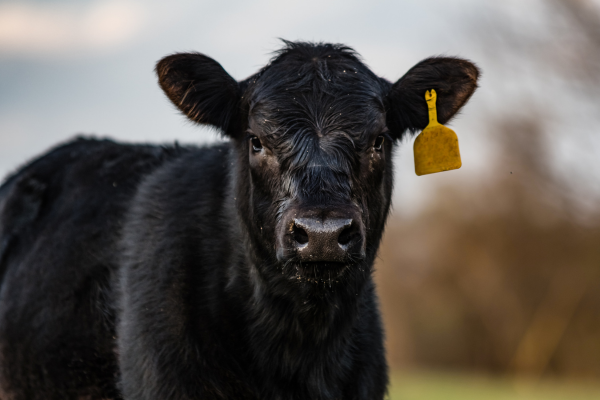
Research shows FerAppease® improves feed efficiency at weaning
A new independent study from Olds College of Agriculture & Technology (Alberta, Canada) shows that FerAppease®, a unique analogue of the naturally occurring Maternal Bovine Appeasing Substance (mBAS), improves feed efficiency, weight gain, rumination time and...

Mycotoxin Binders: Reducing Nutrient Availability and Neglecting Mycotoxins
Mycotoxin binders (MTB) work by chemical interactions involving cation exchange capacity with various types of bonds and by their physical structure serving as a “net” to in essence “trap” mycotoxin molecules. The bonding and structural properties of traditional MTB...

Is it time to change course on your heifer inventory?
You’ve likely seen the headlines about shrinking heifer numbers around the U.S. Herds right-sizing heifer inventories, dairy expansions, and the trend to buy instead of raise replacement heifers continues to push replacement values higher and higher. If you’re like...
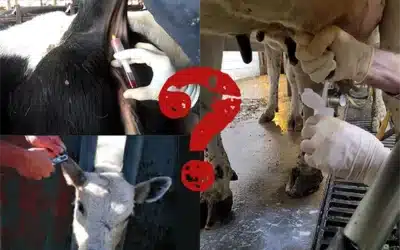
What is the best way to A2 test my dairy animals?
So, you are interested in knowing the A1/A2 status of your cows but are confused about which test is best. The CentralStar A1/A2 genotype test is validated for use on individual animals and can be performed on blood, tissue, or milk; however, determining which method...
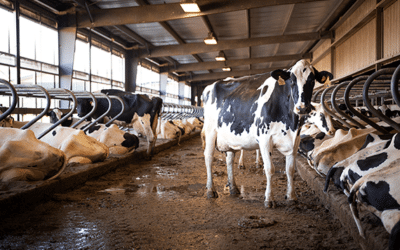
Lameness: Challenge conventional thinking
Conventional thinking is considered tried and true, going unquestioned; but is that always the best approach? Through National Animal Health Monitoring¹, we know lameness is among one of the top-five reasons dairy cows leave the herd. Obviously, management practices...
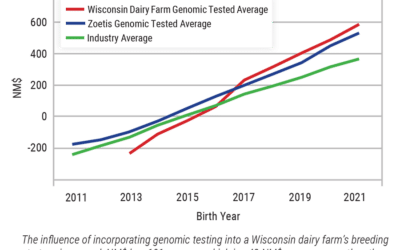
Are the best animals in your herd really the best and why knowing matters
Susie Martin, CentralStar Regional Consulting Manager You inherently know who the best animals in your herd are, and you can back it up with parent averages (PA), milk weights or other DHI data. Obviously, you build your future from the best, but what if what you...
A2 Genotyping Assay
Beta-casein makes up 30 percent of milk protein and comes in two forms; A1 and A2 beta-casein. The difference between A1 and A2 beta-casein is determined by the genetics of the animal. Reports indicate that A2 beta-casein proteins are potentially more favorable to...